


Glimpse of Argos: From Detour to Direction in Localization
Articles
・10 min read


Published on


Check out the next interview of the Glimpse of Argos series. Today, our guest is Marianela Fernández, experienced linguist and data annotator.
In this interview, Marianela shares her unexpected journey from studying translation in Argentina to working on global AI annotation projects. She talks about the precision, curiosity, and clear communication that shape her work, and why maintaining a human touch is essential in training the technologies of the future.
Tell us a bit about yourself and what got you into the field.
Marianela Fernández: My name is Marianela, I’m from Argentina. I studied English translation there, and then I moved to the United States to work and keep learning English. My goal at the time was to become a teacher, but someone close to me introduced me to the data field. I started working on it and really enjoyed it. The work was simple in some ways, but you needed to be very precise and detail‑oriented. I learned a lot working on annotation projects, and since my performance was good, they kept sending me more.
So it’s been a while now, and it’s very nice because I can work from home, organize my time, and keep working on my other jobs too.

And what do you value most about this collaboration?
Marianela Fernández: What I value most about Argos is that it’s an environment where you never stop learning. Every project is different, so you always learn something new. And I really value communication: there is always someone available to help with technical or administrative questions.
You mentioned communication. What do you think makes a project successful?
Marianela Fernández: First, communication, of course. With Argos, everything is very clear and precise. But also commitment. If Argos gives me the trust, the instructions, and the help I need, I will always do my best to deliver an excellent project. Teamwork is the most important part of working on any project.
Could you tell us about your favorite or most memorable project?

Marianela Fernández: All projects are memorable because I learn something from each one, but I really enjoy the projects for one of the world’s biggest online retail companies, for example when we read ebook reviews, or TV series synopses. It’s fun because I’m working, but at the same time I’m reading about things I actually like. Sometimes I even find book recommendations that I look up later in my free time. So it’s work, but it’s also enjoyable.
How would you explain one of these projects to someone who knows nothing about this kind of work?
Marianela Fernández: All projects and tools are different, but in this specific one, we had a tool where we read TV series titles and synopses. You read about the story, the actors, and the background. If you find a grammatical error or an accuracy error, you write it down, and then the technical team corrects the AI‑generated text.
There are a lot of people behind each project, not only annotators. There are technical teams building the tools, and project managers organizing everything, sending instructions, giving feedback. It’s a whole world.
So it’s always something different?
Marianela Fernández: Yes, and that’s great, because you’re always entertained. You don’t get bored. You’re always learning something new, reading something new. Our vocabulary grows a lot because we’re constantly exposed to new content.
What are some challenges you see in the industry now?
Marianela Fernández: One challenge is that language is always changing. We have to learn and adapt before training the AI. Something that was correct a few years ago may not be correct now.
Another challenge is maintaining precision while working with huge volumes of data. Projects involve a lot of text, not just a few words or pages. So it can be challenging to stay focused and keep the precision and accuracy that the job requires.
How do you see the role of data evolving in the next few years? Will projects look different?

Marianela Fernández: I think in three to five years, data will be much more personalized. Right now, we often work with global patterns, but soon it will be more about cultural or regional patterns. AI will become a very specific collaborator in fields like education.
I think we will need to specialize more, and study specific areas, because AI will need more targeted, detailed training. And I believe AI will always adapt to human diversity and human needs, not the other way around.
So that’s positive?
Marianela Fernández: Yes, I’m a big fan of AI.
Are there other technologies you’re a fan of?
Marianela Fernández: Lately, I’ve been traveling a lot, and the translation tools are amazing. The ones where you speak, and they repeat everything in another language with your same tone of voice, I love that. It’s not just about translating words anymore; it keeps the intent and the nuances. It makes communication so easy.
A few years ago, we had to use dictionaries or Google Translate, and it wasn’t enough. Now translation tools understand sarcasm, idioms, everything. You can communicate with anyone.
How would you say Argos supports your work?
Marianela Fernández: First, with clarity and communication, because they are always giving feedback and sending precise instructions. We really need that to do good work.
They also support our judgment. They trust our background, our experience, and our language skills. That makes me feel like we’re not just annotators, we’re partners. When you have that kind of feedback, you feel good, happy, and positive. And then you really want to aim for excellence.
What’s something you’ve learned in your career, something you wish you had known earlier?
Marianela Fernández: That technology isn’t something to be afraid of. Years ago I was scared of it, but you don’t have to be a tech professional to understand AI or work in this field. If I had known that earlier, I probably would have started many years before.
I also learned that language is very complex. It’s not just grammar. It’s always changing, and you have to adapt constantly in any language: Spanish, English, anything.
What advice would you give to someone entering the field?
Marianela Fernández: Don’t be afraid of technology. It’s a great tool and a great opportunity to connect people and countries. AI adapts to our lives, not the other way around.
And be curious. You never stop learning in this field. If you think you know everything about a language, you don’t. Keep studying, keep asking questions, and love languages, because that’s essential.
Lastly, how do you see your collaboration with Argos in the next few years?
Marianela Fernández: I’ve been collaborating with Argos for many years now, and I hope that continues. I hope to work on more complex projects so I can learn new things. I really admire the project managers, they teach me a lot, and I think their job is very difficult.
In the future, I would like to learn about their role and maybe start a career as a project manager myself. Argos always gives me opportunities, so I feel confident about that.
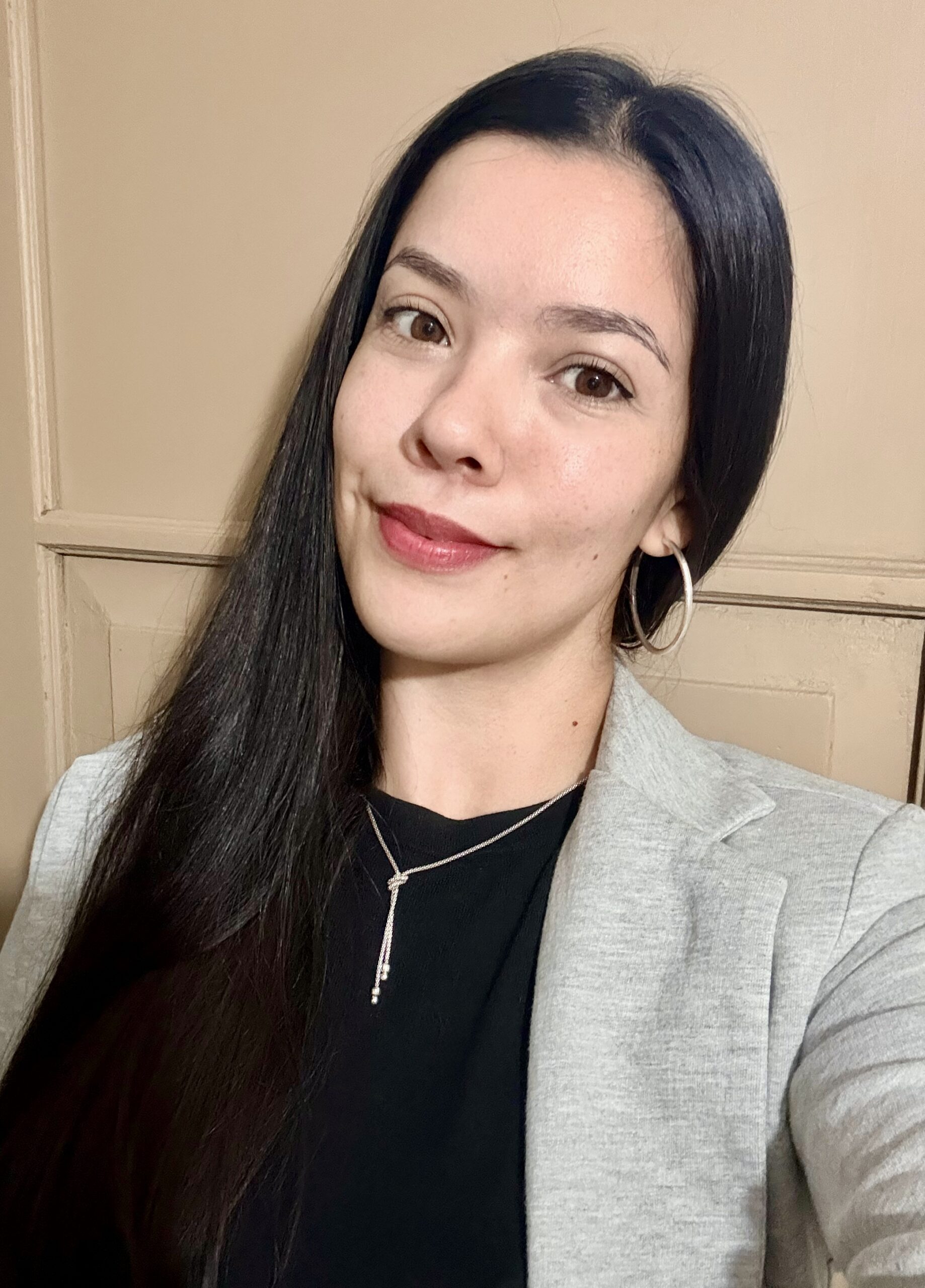
Marianela Fernández
Share this post
What to read next...
Join the team
We appreciate your interest in working with us. Begin your journey here.
Find your next job
Argos Multilingual
Glassdoor job ranking
Argos Multilingual Reviews
Glassdoor job ranking
Argos Multilingual Ratings & Trends
Recommend
to a Friend
Aprove
of CEO