


Glimpse of Argos: The Craft Behind the Words
Articles
・19 min read


Published on


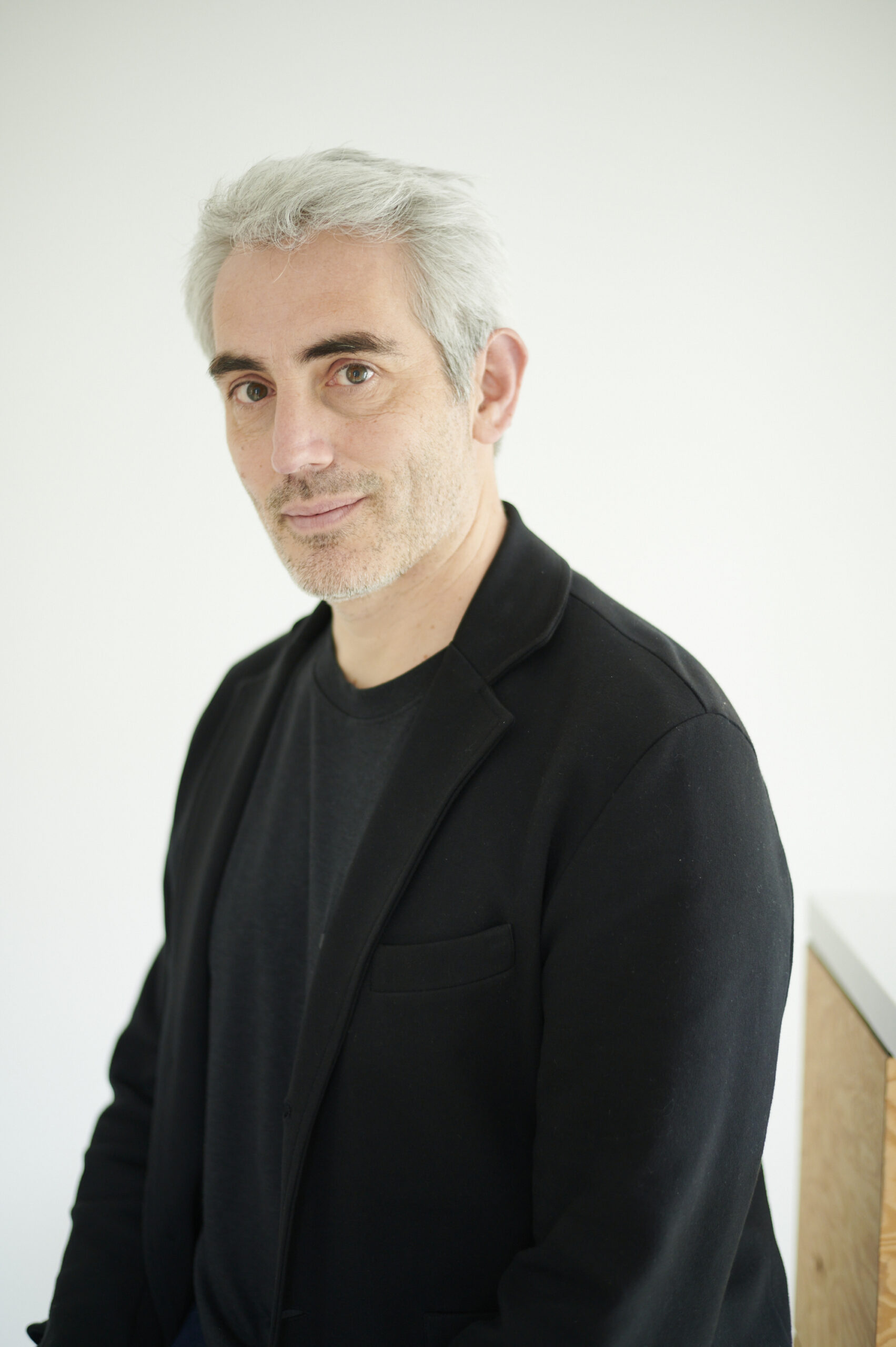
Check out the next interview in our “Glimpse of Argos” series. Today, our guest is Eric Graziano, a French freelance translator and copywriter specializing in hospitality, luxury, and transcreation.
In this interview, Eric reflects on twenty years in the industry, his path from journalism and teaching to translation, and why translators are selling access to another culture rather than words.
To begin, could you tell us about yourself and your path to the language services industry?
Eric Graziano:
I’m Eric Graziano. As my name shows, I’m half Italian, but I’m French, born and raised in France. I’ve been in the language industry for a bit more than 20 years now, since I created my company in 2005. I never planned to be a translator. I studied literature, started working as a journalist, then spent a few years in communication, and then teaching. While I was teaching French to foreigners, a Spanish friend told me he needed help with an English-to-French technical translation for a lift company. I wasn’t sure at first, but he told me there were tools and a glossary, so I gave it a try. I liked it, and I thought it could be an option to explore. So I really started in the field. I did this for about 10 years, working here and there, following webinars, training myself, and then I quit teaching to live fully as a freelance translator. That was in 2015, and I’m enjoying it very much.
Your career path included several other things. What made you stay in this field?
Eric Graziano: I had already worked in companies, small and big ones, and I like being a freelancer. I like being independent, especially the flexibility freelancing offers. It allowed me to spend three years abroad with my family: two years in Brazil and one in Italy before coming back to France. With small kids, the option to work whenever I have the time was really convenient. So flexibility is one thing.
The other is that I’m a curious person, and this work allows me to learn and work in many different fields. When I started, I did marketing documents and had no real specialties. Then, through the work, I found my areas. Now I work mainly in hospitality and luxury, but I’ve also done a lot of fintech, some IT, and education. Being able to work in different areas with different people is something I find very interesting.
Could you describe a memorable project?
Eric Graziano: With Argos, that’s actually how I started. I should mention I also work as a copywriter, and my first collaboration with Argos was writing SEO articles for a large online job platform. I was hired at the very beginning when there were only a few requests, but, with time, the workload kept on increasing. Since the client and the team in charge were happy with the quality of my work, I became an editor, then editor-in-chief. By the end, I was editing more copies than writing them. It was a long project, maybe two or three years, with regular meetings and updated materials. Really engaging.
Another funny thing is, I was working for another company that got integrated into Argos, and that gave me one of my most interesting projects: writing case studies for a large online productivity app. It came in three steps. First, a one-hour customer interview where I asked questions about their job and how the app changed their workflow. Then a draft approved in the US, and finally the copy itself. It was close to my old journalistic work, and that was memorable. I did almost 15 or 16 of them over a few years.
You mentioned how you started with Argos. What makes you stay in this collaboration?

Eric Graziano: Interesting projects. When the productivity app work ended, I was introduced to Pinterest to work as a copywriter, writing case studies again. It’s becoming one of my specialties, even if it’s a bit of a niche. Then it turned out Pinterest also needed a kind of language lead, a subject matter expert. For three years now, I’ve been the French consultant for all their French documents. It’s also very interesting because Argos allows us to be in direct contact with the clients, which is not always the case. I’ve even met people from the Pinterest marketing team in Paris. Speaking directly with the client, getting their insights, knowing their needs and expectations, it helps improve the flow and the results.
Last but not least, the team is nice. I’ve always had good relations with the project managers, no issues, as sometimes happens elsewhere. And payments are always very timely, which is also important.
The industry is changing. What would you say are the most pressing challenges right now?

Eric Graziano: AI is a major change in the industry. In a kind of paradoxical way, there are now more requests for translation but less earnings for translators because of automation. I think the major shift is that we have to accept MTPE, which is controversial in the industry. Some translators are reluctant, others are willing. As for myself, as long as it’s not the biggest part of my job, I don’t mind. I don’t think there’s much difference between reviewing a translator and reviewing a machine. And like a translator, the machine can be trained to improve the results, so that’s also an opportunity. I’ve actually enjoyed the jobs I’ve done for other agencies and clients trying to improve AI models.
But yes, it’s difficult for young translators to start their careers. I’ve been teaching at university, doing workshops and conferences, and it’s hard for them. There are fewer and fewer students in this field, and it’s harder for them to build their skills and get their first experiences. That’s a challenge. But I’m also confident that after the first big wave, there will be a slowdown, mainly for security reasons, because everybody started using AI without really thinking about the consequences, including the economic and ecological ones. But there will be opportunities for linguists to work closer with engineers. I believe this LangOps will grow in the near future.
You mentioned the difficulties for young translators. Do you have any advice for people just starting in the field?
Eric Graziano: It’s funny, because I now have an intern and we had a long chat about that before this interview. First, be curious. I don’t especially like working with these AI tools, but in some cases I got good results. So go ahead, try them yourself, see what you can get. Even if you don’t use them for translation, you can use them for other things, like administrative tasks or marketing, and save time for translation.
The second piece of advice I give to many students is to be humble. Sometimes they’re not ready to take just any job, or they’re very demanding about conditions, prices, and deadlines. When I started working 20 years ago, it wasn’t always easy either. I accepted some bad rates and some very tight deadlines. But if you can make some effort, it’s worth doing. Be open, and if you work, it will work.
For those who are starting out, what does a day in your profession look like?
Eric Graziano: There’s always a lot of emailing. Students tend to underestimate the time we spend writing and answering emails, but communication is key, especially in a field where we don’t spend much time together in person. Since COVID, there have been way more meetings, so I speak with people more often, but most of the time, it’s still via email.
Then it’s about planning. Learn what you can do in how much time, evaluate the tasks and the time you need, and fix a schedule for the week with blocks of hours. When you start, it can be discouraging to spend lots of time on LinkedIn, writing emails, or building the perfect website. But if you divide the work into small tasks and work in blocks, like two hours for communication, two hours for webinars, you won’t get discouraged, and you can achieve more.
Is there anything that has surprised you in your career?
Eric Graziano: Good question. Let’s talk about money first. I’ve done a lot of transcreation, that is creative translation, mainly for advertising, and in some projects, I was shown the whole budget. So, yes, there is money for translators, and not only in this field. We shouldn’t be shy about pricing ourselves. We’re still too focused on selling words, but we are not selling words. We are selling access to another culture, to more clients. That has value. More translators should work on that, especially now. With the changes in the industry, we may have to look more for direct clients, and it’s very important to make them understand what we do and what it brings them.
Another surprise is the human connection. I’ve been attending real events lately, and you can really connect with people. The network is an underestimated source of work and opportunities. Even working online, there are people I’ve worked with for more than 10 years and never seen, and I feel almost like they’re friends. I’ve worked with one project manager across three different agencies, and we still get on very well. Every time there’s an opportunity, she calls me. It’s not because you’re alone at home that you’re really alone.
You mentioned events. Do you have any recommendations?
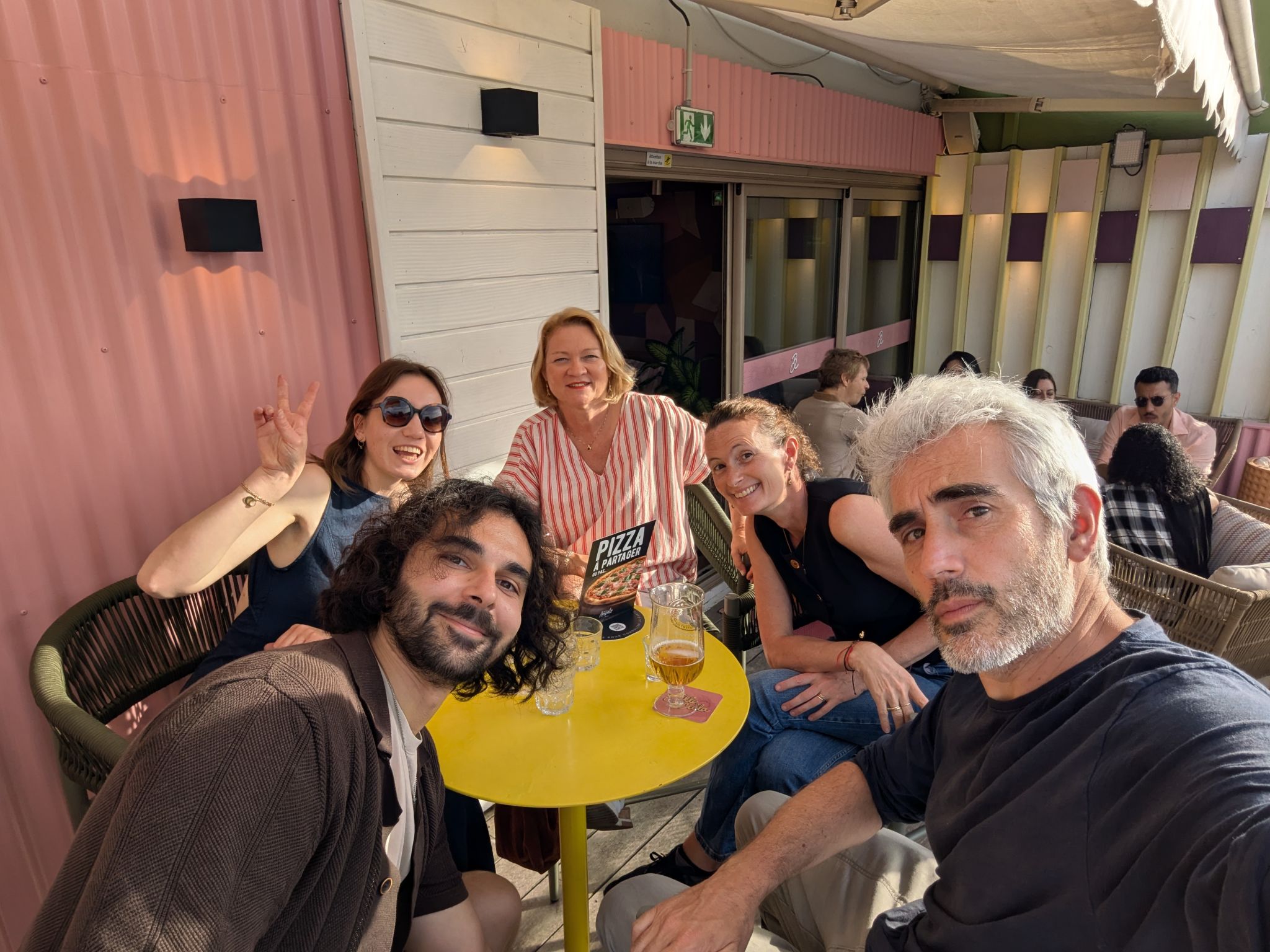
Eric Graziano: I recommend attending two kinds of events. First, translation events. This is recent for me, only the last three years, but they are great opportunites to learn.. Following webinars or online courses is one thing, but attending in person is different, and it can have good consequences on the way you approach your work. It may also create new opportunities because of the connections you can make. I’ll travel to Lithuania in September for an agency I don’t even work with: just because they like my presentation and because we get along pretty well
Then I also recommend attending professional events in your area of specialty. If you want to be in a niche, you need to be part of the niche. You need to know the people working there, what they do, what they like, how they see the world, because you have to share their vision and values. This really helps.
Coworking is also great. I’ve been coworking for about five years, and I actually launched the LocLunch events in my region in the south of France. We started with 11 people at lunch, and now we have a WhatsApp group with 66 members. I counted them last week. Not everybody comes, but there’s a network of people you can count on for any question. You can share your doubts and your best practices, like for AI: what do you use, what do you do, what can I try? It really helps.
What makes the difference between a good and a great translation?
Eric Graziano: A good translation is a translation that doesn’t read as a translation. We are an invisible part of the workflow, and often the last part. Some people don’t think about translation until the very end, when they realize they could reach another audience. So being invisible means being able to embrace the copy and its meaning, and render it in the best possible way in your language and culture.
One error I often see, especially with young translators, is staying too close to the source. Languages are different, grammatical structures are different. You need to rephrase, you need to rewrite. Putting the subject at the end of a sentence doesn’t change the meaning. Focus on the meaning, embrace the tone of voice, and you should make it.
If I can add one thing: don’t be afraid of critics, because feedback can only help you. Feedback is becoming more regular now, but when I started, and for many years, I never received any. It really helps, because if I translate the same text on three different days, I’ll probably make three different copies, and one will be better. Maybe I’m not the best one to judge. If somebody tells me what they really expect, I can meet their expectations.
How do you envision your career in the next few years, and your collaboration with Argos?
Eric Graziano: I hope there will be more opportunities. Right now, for Argos, I’m working only on the Pinterest account, and it has been a few years already. I hope it continues, and if another opportunity comes, I’ll be happy to take it, because regular collaborations are always a must.
On a larger scale, the good thing about aging and experience is that you’re able to choose your projects. I don’t have to say yes to everything. For example, I don’t work in IT anymore. I did IT for many years and ended up as a language lead for Dell, but after two years, I realized I didn’t enjoy it as much as before, so I gave it up, and that’s okay. I want to focus more on hospitality and maybe more copywriting, because I really enjoy it. And I think I will teach more. This year I visited two universities, and next year probably three or four for short sessions, because I like to share what I do and what I’ve learned.
Do you have any final thoughts?
Eric Graziano: Translation is not well known. There are many cliches about this profession, from “how many languages do you speak?” to “what will you do now? DeepL and Google Translate are very good.” But I’m convinced there are opportunities for professionals like us. I don’t believe this field will die, so I’m really optimistic. If you speak several languages, if you like other cultures, and if you’re a curious person, you should go for it.
Share this post
What to read next...
Join the team
We appreciate your interest in working with us. Begin your journey here.
Find your next job
Argos Multilingual
Glassdoor job ranking
Argos Multilingual Reviews
Glassdoor job ranking
Argos Multilingual Ratings & Trends
Recommend
to a Friend
Aprove
of CEO